The Allure of Casino Gambling
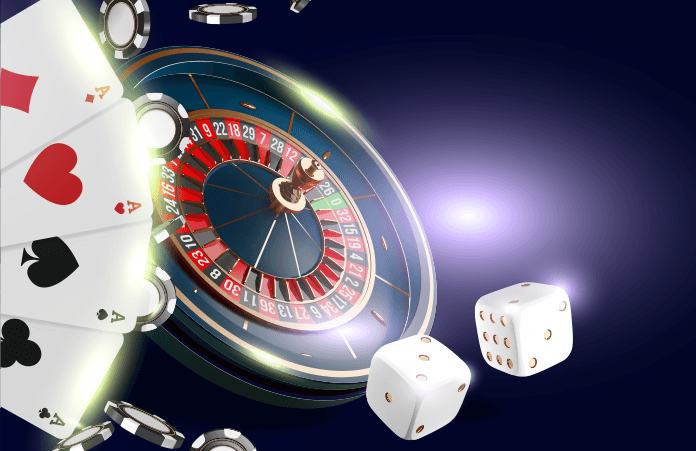
The psychological allure of casino gambling is deeply rooted in various cognitive and emotional factors. The vibrant atmosphere of casinos, brimming with flashing lights and celebratory sounds, plays a significant role in attracting players. This environment triggers the release of dopamine, a neurotransmitter associated with pleasure and reward. As individuals experience wins, their brains may become conditioned to seek out these rewarding feelings repeatedly, thus reinforcing their gambling behaviors. Interestingly, some players may also explore the best online casino canada real money options to enhance their gaming experience.

Moreover, the element of chance enhances the excitement of gambling. Players often believe they can influence outcomes through strategies or behavior, despite the inherent randomness of games like slots or roulette. This illusion of control fuels engagement, making it difficult for individuals to walk away, as they become increasingly convinced that a win is just around the corner.
The Role of Cognitive Biases
Cognitive biases also play a pivotal role in gambling habits. One prevalent bias is the gambler’s fallacy, where individuals believe that past outcomes affect future results. For example, if a player has lost several times in a row, they might think they are ‘due’ for a win, leading to increased betting even when the odds remain the same. This fallacy can lead to significant financial losses, yet it perpetuates the cycle of gambling.
Another common cognitive bias is the illusion of skill, where players overestimate their ability to predict game outcomes. This overconfidence can lead to chasing losses, where individuals continue to gamble in hopes of recouping previous losses, further entrenching them in gambling behavior. These biases contribute to a distorted perception of risk and reward, often resulting in harmful gambling practices.
The Emotional Factors at Play
Emotions significantly influence gambling behavior, with many individuals using gambling as a means to cope with stress, anxiety, or depression. The thrill of winning can serve as an escape from everyday problems, providing temporary relief and a sense of control. However, this reliance on gambling as an emotional outlet can quickly escalate, leading to addiction.
Additionally, social influences can amplify emotional ties to gambling. People often gamble in groups, and the shared experience can create a sense of belonging and excitement. While social gambling can be harmless, the pressure to conform to group dynamics can lead some individuals to gamble beyond their means or abilities, exacerbating potential risks and emotional distress.
The Impact of Reinforcement and Reward Systems
Reinforcement is a crucial component in understanding gambling behaviors. Casinos often employ reward systems—such as loyalty programs and bonuses—that encourage continued play. These incentives can create a sense of commitment, prompting players to return even after losses. The intermittent rewards experienced during gambling, akin to the nature of slot machines, enhance the thrill and make it difficult for individuals to quit.
Consequently, these reinforcement strategies can lead to a cycle of compulsive gambling, where individuals feel compelled to chase the next reward or thrill. Understanding these psychological mechanisms can help in recognizing the precarious nature of gambling habits and implementing healthier approaches to play.
Engaging with Responsible Gambling Resources
Promoting awareness and education about responsible gambling practices is essential in addressing the psychological factors influencing gambling behaviors. Various organizations and resources aim to provide insights and support for those struggling with gambling addiction or seeking to understand their habits better. Access to information about the risks and the psychological underpinnings of gambling can empower individuals to make informed choices.
Additionally, creating environments for discussions around gambling habits can foster a community of support and understanding. Encouraging open dialogues can help individuals recognize their behaviors and seek support without stigma or shame. By addressing the psychological aspects of gambling, society can work towards healthier approaches to this popular pastime.
Contact Email : gsebresults2025@gmail.com
Notice :
You must obtain our written permission before copying the text of our article.
Hello Readers, GSEB Results 2025 This is not an official website of the Gujarat Secondary and Higher Secondary Education Board (GSEB). We have no connection with any government organization or department. All information shared here is gathered from various official websites, newspapers, and other authentic websites to keep students updated. Although we make every effort to authenticate each update prior to publishing, we highly recommend cross-verifying all information, particularly result-related declarations, from the official GSEB website itself to prevent any confusion or misinformation. Always stick to the official notification for the most accurate and latest information.